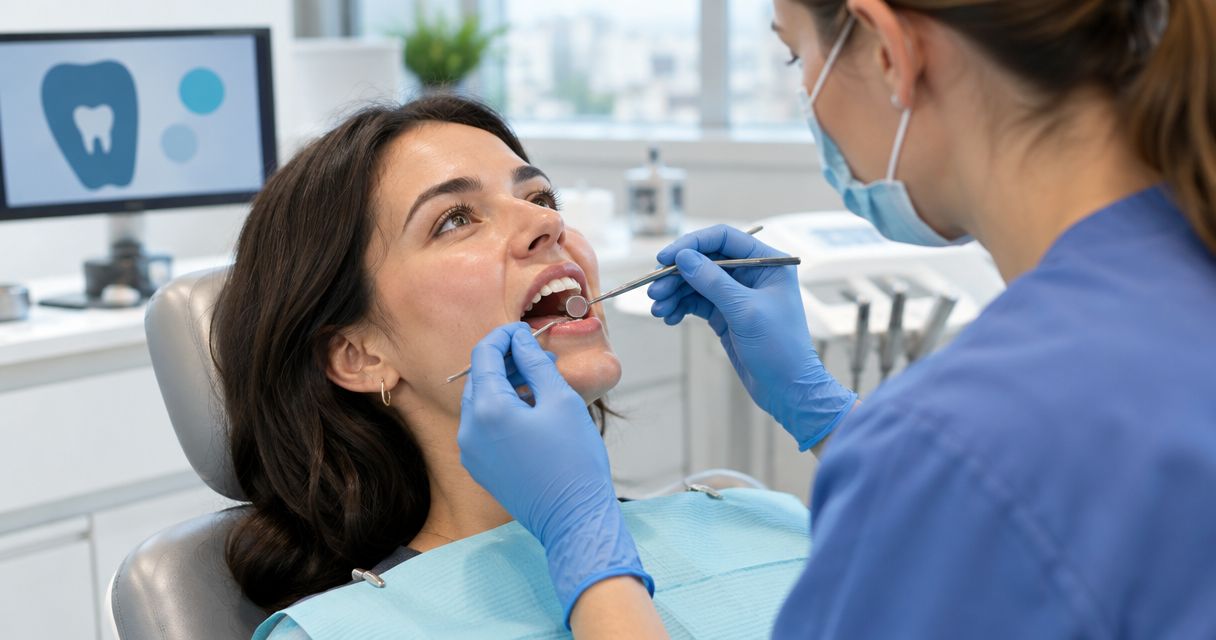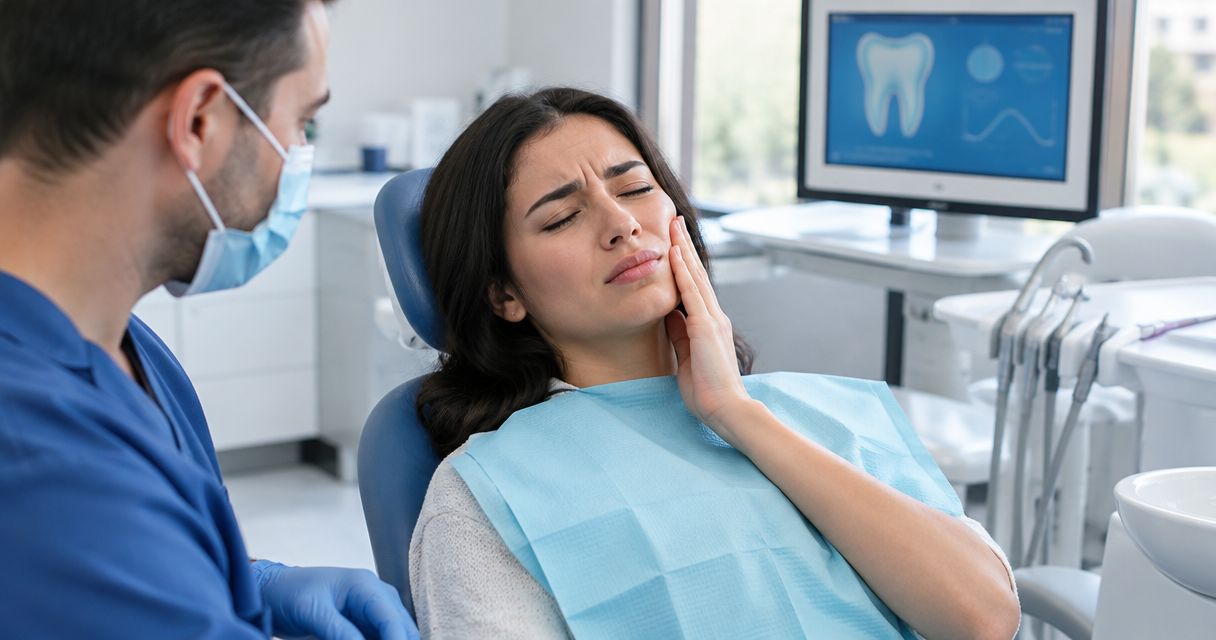
Most urgent: swelling that affects breathing or swallowing, serious facial injury, or heavy bleeding that will not stop needs hospital emergency care—not a dental appointment. Other signs you need a 24-hour dentist in London include a knocked-out adult tooth, facial swelling, severe toothache and a painful broken tooth; this guide ranks them by urgency and explains your next step.
- Signs you need a 24 hour dentist London: severe toothache, swelling, dental injuries and persistent bleeding need urgent attention.
- Call 999 for breathing difficulty or life-threatening bleeding; do not wait for a dental appointment.
- A knocked-out adult tooth needs immediate dental attention; handle the crown, not the root.
- Emergency Smiles provides same-day emergency dental care in Whitechapel for patients needing urgent assessment.
Why this matters
Tooth pain does not reliably tell you how serious the problem is. A knocked-out tooth needs immediate action even if pain is manageable; swelling that affects your breathing is a medical emergency.
For urgent dental problems without those hospital warning signs, Emergency Smiles provides emergency dental care in Whitechapel. Emergency Smiles is an option for patients in Whitechapel and nearby East London who need same-day emergency dental assessment.
This 2026 guide helps you choose the right next step. It does not diagnose the cause of your symptoms, and a dental appointment must not delay emergency medical help.
What makes a dental problem more urgent?
These criteria explain the ranking. Several symptoms can occur together, and the most serious warning sign determines what you do next.
- Breathing and swallowing: difficulty with either takes priority over tooth pain.
- Bleeding: heavy bleeding that does not stop needs emergency medical attention.
- Time-sensitive injury: a knocked-out adult tooth needs immediate dental care.
- Swelling and illness: facial swelling, fever or feeling increasingly unwell needs urgent assessment.
- Pain and function: pain that stops sleep or makes eating difficult needs prompt dental attention.
- Exposed or damaged teeth: urgency depends on pain, injury, bleeding and associated swelling.
Dental warning signs at a glance
| Rank and warning sign | Best next step | Why acting helps | Key limitation |
|---|---|---|---|
| 1. Breathing or swallowing difficulty | Call 999 for breathing difficulty; attend A&E for serious warning signs | Directs you to emergency medical care | A dental appointment is not the right first stop |
| 2. Heavy bleeding that will not stop | Emergency medical assessment | Persistent blood loss needs immediate attention | Home pressure is not enough for uncontrolled bleeding |
| 3. Knocked-out adult tooth | Contact an emergency dentist immediately | Quick action matters when trying to save the tooth | Replacing the tooth does not guarantee it survives |
| 4. Facial swelling or swelling with fever | Urgent same-day dental assessment | Identifies a problem that needs treatment | Breathing or swallowing difficulty changes the route to hospital |
| 5. Severe or persistent toothache | Same-day emergency dental assessment | Finds the cause rather than only masking pain | Pain relief alone does not treat the cause |
| 6. Painful broken or displaced tooth | Urgent dental assessment | Checks the tooth and surrounding injury | The visible chip does not show the full damage |
| 7. Lost filling or crown with pain | Contact the clinic for urgency advice | Protects an exposed or damaged tooth | A painless loss is not automatically an overnight emergency |
The ranking is a guide to action, not a diagnosis. If your symptoms change, reassess the next step rather than sticking with the original appointment plan.
1. Breathing or swallowing difficulty: hospital care first
Swelling around the mouth or neck becomes a medical emergency when it makes breathing or swallowing difficult. Serious facial injuries and swelling affecting an eye also need emergency medical assessment.
Best for: anyone with warning signs that go beyond a local tooth problem.
Benefits of acting:
- Emergency medical teams can assess threats to breathing.
- You avoid delaying hospital care while searching for a dentist.
- Serious injuries receive the appropriate assessment.
Limits:
- A routine dental consultation is not a substitute for emergency medical care.
- Do not assume a dental infection stays confined to the tooth.
Call 999 if breathing is difficult or the situation is life-threatening. Attend A&E for serious swelling affecting swallowing or the eye; do not drive yourself if you are seriously unwell.
Verdict: Skip waiting for a dentist when breathing or swallowing is affected.
2. Heavy bleeding that will not stop: do not wait overnight
A small amount of blood after dental treatment is different from heavy, continuing bleeding. Bleeding that will not stop, particularly if you feel faint or unwell, needs emergency medical attention.
Best for: anyone with uncontrolled bleeding from the mouth after an injury or dental procedure.
Benefits of acting:
- Persistent bleeding receives prompt assessment.
- Clinicians can consider recent treatment and relevant medicines.
- You avoid repeatedly trying home measures while bleeding continues.
Limits:
- Blood mixed with saliva can look dramatic; appearance alone cannot establish severity.
- Taking blood-thinning medicine does not mean you should stop it yourself.
Apply firm pressure with clean gauze while arranging help. Call 999 for life-threatening bleeding, collapse or breathing difficulty; otherwise, uncontrolled heavy bleeding needs A&E assessment.
Verdict: Skip waiting overnight for heavy bleeding that will not stop.
3. A knocked-out adult tooth: contact a dentist immediately
A knocked-out adult tooth is time-sensitive. Pick it up by the white crown, not the root; if dirty, rinse it gently with milk, saline or saliva without scrubbing.
Best for: someone whose permanent tooth has come completely out after an injury.
Benefits of acting:
- Prompt dental attention gives the tooth the best chance of being saved.
- Keeping the tooth moist helps protect its root surface.
- The dentist can assess other injuries at the same visit.
Limits:
- Successful replacement is not guaranteed.
- Never put a knocked-out baby tooth back into its socket.
If an adult tooth goes back easily, gently replace it and bite on a clean cloth. Otherwise, keep it in milk and take it to the dentist; never force it into place. Aim to reach a dentist within 30 minutes, but seek care even if more time has passed.
Verdict: Skip waiting—seek dental help immediately for a knocked-out adult tooth.
4. Facial swelling or fever: arrange urgent assessment
Swelling in your cheek or jaw, especially with tooth pain, fever or feeling unwell, needs urgent assessment. A bad taste or discharge can accompany a dental infection, but you cannot confirm the cause at home.
Best for: patients with localised dental swelling who can breathe and swallow normally.
Benefits of acting:
- A dentist can identify the source of the swelling.
- Assessment establishes what treatment is needed.
- You receive advice about changes that require hospital care.
Limits:
- Antibiotics alone do not necessarily remove the source of a dental infection.
- Temporary improvement does not prove the underlying problem has resolved.
Ask for same-day emergency dental assessment. If swelling spreads or you develop difficulty breathing or swallowing, switch to emergency medical care rather than waiting for the appointment.
Verdict: Skip waiting for swelling with fever or worsening illness.
5. Severe toothache: seek assessment, not just stronger painkillers
Toothache that interrupts sleep, persists despite suitable pain relief or makes eating difficult needs prompt dental attention. Pain can come from several causes, so the intensity alone does not identify the treatment.
Best for: patients with severe or persistent dental pain without hospital warning signs.
Benefits of acting:
- Examination helps establish which tooth or tissue is causing pain.
- The dentist can explain suitable treatment options.
- You stop relying on repeated short-term symptom control.
Limits:
- Pain relief does not repair a damaged tooth or remove an infection.
- An emergency visit does not guarantee every stage of treatment is completed immediately.
Use pain medicine only if it is suitable for you and follow the packet instructions. A pharmacist can advise about suitability, including other medicines you take; never place aspirin directly against a tooth or gum.
Verdict: Skip waiting for severe toothache that disrupts sleep or eating.
6. A painful broken or displaced tooth: get the injury checked
A broken tooth needs urgent attention when it is painful, loose, displaced or associated with bleeding. A small visible chip does not tell you whether the injury extends further into the tooth.
Best for: patients with a painful dental injury after a fall, impact or biting accident.
Benefits of acting:
- The dentist checks the tooth and surrounding tissues.
- Early assessment identifies damage that is not obvious in a mirror.
- You receive advice on protecting the area while treatment is arranged.
Limits:
- Not every broken tooth can be repaired in the same way.
- Serious head or facial injuries need medical assessment, not only dental care.
Avoid chewing on the injured side and bring any tooth fragment with you, kept in milk or saliva. Tell the clinic how the injury happened and whether your bite now feels different.
Verdict: Skip waiting when a broken tooth is painful, loose or displaced.
7. A lost filling or crown: pain determines urgency
A lost filling or crown needs dental advice, but it is not automatically an overnight emergency. Severe pain, swelling, bleeding or a sharp edge injuring your mouth makes prompt assessment more important.
Best for: patients deciding whether a damaged restoration needs out-of-hours care.
Benefits of acting:
- The clinic can assess urgency from your symptoms.
- A dentist can check the exposed tooth.
- You receive a treatment plan rather than guessing how to repair it.
Limits:
- A painless missing filling does not carry the same urgency as spreading swelling.
- Household glue is not safe for repairing teeth or crowns.
Keep a detached crown and bring it to the appointment. Avoid chewing on the affected side, and describe any sensitivity or pain when contacting the clinic.
Verdict: Hold off on home repairs; contact the clinic for urgency advice.
How this severity ranking works
This 2026 ranking puts threats to breathing and uncontrolled bleeding before tooth-saving emergencies, followed by swelling, severe pain and damaged teeth. It ranks the action your symptoms require—not how frightening the problem looks.
Choose the highest-urgency route that matches your symptoms. A lost filling with facial swelling belongs in the swelling category, not the final row of the table.
Booking emergency dental care in Whitechapel
Emergency Smiles provides 24-hour emergency dentistry in Whitechapel, London. For your 2026 appointment enquiry, describe your symptoms and ask the clinic to confirm the appointment time before travelling; 24-hour care does not mean you should assume an immediate walk-in slot.
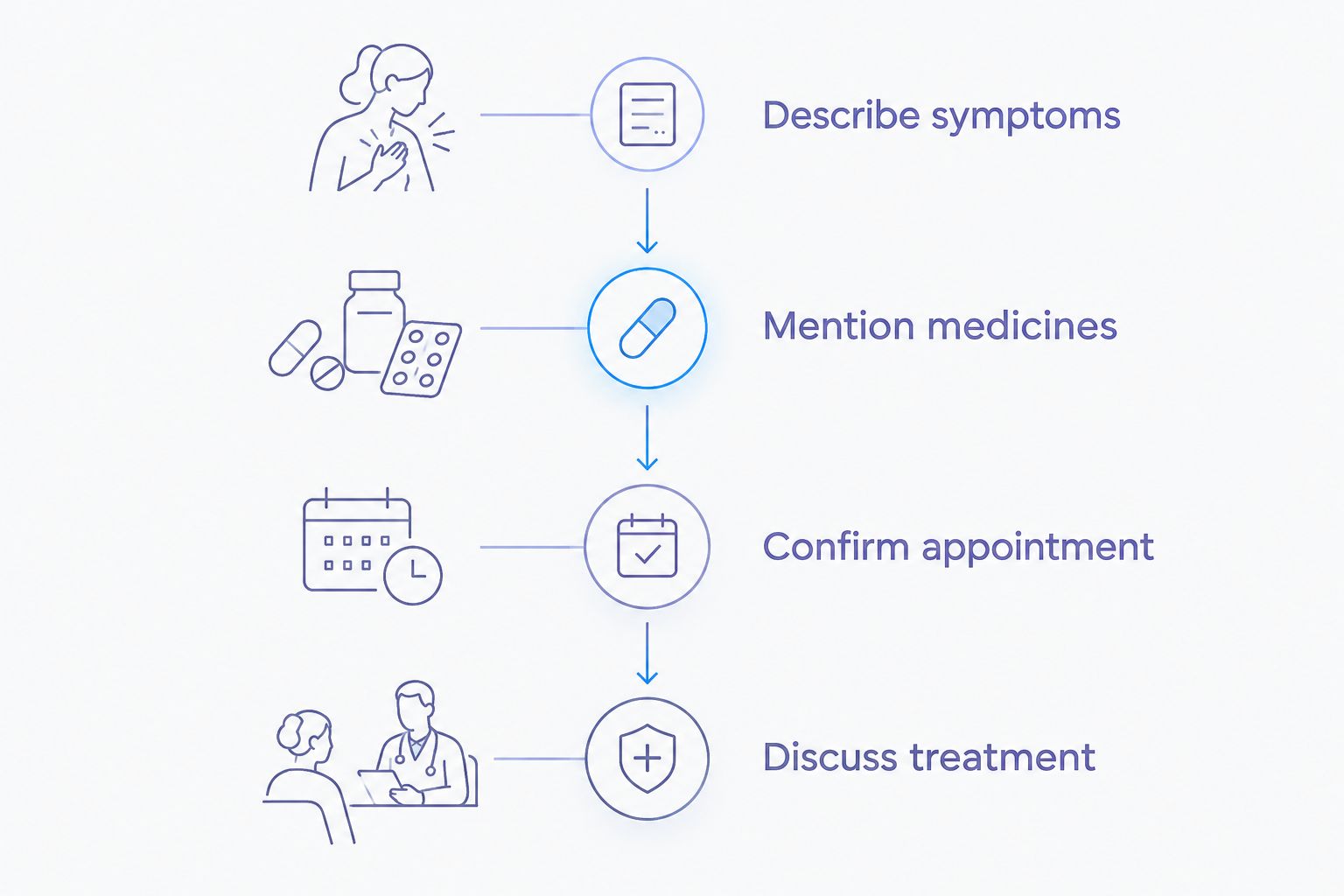
Use this sequence when contacting the clinic:
- Describe symptoms: say where it hurts, when it started and whether you have swelling or bleeding.
- Mention medicines: include allergies, relevant medical conditions and medicines you take.
- Confirm appointment: check the time and Whitechapel location before setting off.
- Discuss treatment: ask what the assessment involves and how treatment decisions are explained.
If you are nervous, say so when booking. Ask the dentist to explain each step before starting and agree how you will signal for a pause; you do not need to hide your anxiety.
The £20 emergency visit fee is not the cost of treatment. Any treatment costs are discussed separately. During your 2026 enquiry, ask what the visit includes and how proposed treatment will be explained before you decide.
Arrange your emergency dental visit
Describe your symptoms and ask the Whitechapel clinic to confirm an appointment time.
Which next step should you choose?
For severe toothache, localised swelling or a dental injury without hospital warning signs, contact Emergency Smiles for urgent assessment. For breathing difficulty, serious swelling affecting swallowing or uncontrolled heavy bleeding, prioritise emergency medical care.
The practical rule in 2026 is unchanged: choose care according to your symptoms, not simply whether the problem started at night.
FAQ
What are the main signs I need a 24-hour dentist in London?
Severe toothache, facial swelling, a knocked-out adult tooth and painful dental injuries need urgent dental advice. Breathing or swallowing difficulty and uncontrolled heavy bleeding require emergency medical care instead.
Should I go to A&E for toothache?
Toothache alone is usually a dental problem rather than an A&E problem. Serious facial swelling, difficulty swallowing, major facial injury or uncontrolled bleeding changes the situation; call 999 for breathing difficulty or a life-threatening emergency.
Can I wait until morning with a swollen face?
Facial swelling needs urgent advice rather than an assumption that it can wait. Swelling with fever or feeling unwell needs urgent assessment, while breathing or swallowing difficulty requires emergency medical care.
What should I do if my child knocks out a tooth?
Never put a knocked-out baby tooth back into the socket. Contact a dentist urgently, and explain whether you know if it is a baby or adult tooth; serious associated injuries need medical assessment.
Does the emergency visit fee include treatment?
The £20 fee is the emergency visit fee, not the cost of treatment. Emergency Smiles discusses any treatment costs separately so you can understand the proposed care before deciding.
Can I book if I am frightened of the dentist?
Yes—tell the clinic you are nervous when arranging your visit. Ask for explanations before each step and discuss a signal for pausing during the appointment.
Is the clinic located across London?
The clinic is in Whitechapel, London. Patients travelling from elsewhere should confirm the location and appointment time before setting off.
One last thing
Pain easing does not prove that a dental problem has healed. If swelling remains, a tooth is damaged or symptoms return, keep the assessment rather than cancelling because you have had a more comfortable hour.
Related guides
- How to book a same-day emergency dentist appointment in London
- Emergency visit and treatment pricing information