Highest urgency: swelling that affects breathing or swallowing, followed by heavy bleeding that will not stop. A knocked-out adult tooth also needs immediate action. For same day dental emergencies in London, this 2026 guide explains what needs hospital help, what needs an urgent dentist, and what to do while arranging care with Emergencysmiles in Whitechapel.
- For same day dental emergencies London patients face, breathing or swallowing difficulty needs immediate hospital help.
- A knocked-out adult tooth needs immediate dental attention; never put a baby tooth back.
- Emergencysmiles provides emergency dental care in Whitechapel for patients seeking same-day appointments in East London.
- Severe toothache, facial swelling and painful broken teeth need urgent dental assessment, not just painkillers.
Why this matters
A dental emergency is not ranked by pain alone. A knocked-out tooth can need faster action than a very painful toothache, while swelling that affects breathing belongs in hospital rather than a dental waiting room.
Emergencysmiles is a Whitechapel option for patients seeking same-day emergency dental care in East London. The clinic is in Whitechapel, not in every London neighbourhood it serves. Check the location and appointment arrangements before travelling.
What makes a dental emergency urgent?
Use these five criteria to judge urgency in 2026. They explain the order below; they are not a diagnosis or a ranking of how frequently each problem occurs.
- Breathing and swallowing: difficulty with either is an emergency warning sign.
- Bleeding: heavy bleeding that continues despite firm pressure needs immediate attention.
- Tooth survival: a knocked-out or displaced adult tooth is time-sensitive, even without severe pain.
- Swelling and illness: spreading swelling, fever or feeling unwell increases concern.
- Pain and damage: persistent severe pain, a painful break or difficulty eating needs urgent assessment.
Several symptoms can occur together. Always act on the most serious sign rather than choosing the row that sounds least worrying.
Dental emergencies at a glance: 2026 urgency ranking
The table compares emergency situations, not treatment options. The right treatment depends on an examination.
| Rank and problem | Main warning sign | Best next step | Why acting helps | Important limitation |
|---|---|---|---|---|
| 1. Breathing or swallowing difficulty | Mouth, throat or neck swelling affecting breathing or swallowing | Call 999 | Gets emergency medical help | A dental appointment is not the right first destination |
| 2. Heavy bleeding that will not stop | Ongoing heavy mouth bleeding despite pressure | Go to A&E; call 999 if bleeding is severe or you feel faint | Allows urgent assessment of blood loss | Do not keep waiting for a routine appointment |
| 3. Knocked-out adult tooth | A permanent tooth completely out of its socket | Seek a dentist immediately | Prompt care gives the tooth a better chance | Successful replacement is not guaranteed |
| 4. Displaced or badly fractured tooth | Tooth moved after an injury, altered bite or deep break | Seek immediate dental advice | Allows assessment of the tooth and surrounding injury | Serious facial injuries need hospital assessment |
| 5. Facial swelling or suspected abscess | Swollen gum or face, pus, fever or bad taste | Request urgent same-day assessment | Addresses the source of the problem | Antibiotics alone do not remove every dental cause |
| 6. Severe toothache | Persistent pain affecting sleep or daily activities | Request a same-day dental appointment | Identifies why the tooth hurts | Painkillers do not repair the tooth |
| 7. Painful broken tooth or filling | Sharp edge, sensitivity or pain when biting | Request same-day advice and assessment | Protects damaged tooth structure | The repair depends on the depth of damage |
| 8. Lost crown or painless filling loss | Missing restoration without swelling or severe pain | Contact the clinic promptly for advice | Helps protect the exposed tooth | New pain or swelling changes the urgency |
1. Breathing difficulty: highest urgency with dental swelling
Swelling around a tooth becomes a medical emergency when it affects your breathing or swallowing. Trouble speaking, substantial swelling inside the mouth, or swelling extending towards the neck also needs immediate attention.
Best next step: call 999 if breathing or swallowing is affected. Do not travel to a dental appointment first or wait for a booking reply.
- Benefit of acting: emergency medical care can assess and protect your airway.
- Limit: home remedies and dental painkillers cannot make airway symptoms safe.
Do not drive yourself if you are struggling to breathe or feel seriously unwell. Tell the emergency operator about the swelling and any recent dental symptoms.
Urgency verdict: act immediately.
2. Heavy mouth bleeding: urgent when pressure does not stop it
Bleeding can follow an extraction or an injury. Blood mixed with saliva can look alarming, but ongoing heavy bleeding needs more than reassurance.
If you can safely do so, place clean folded gauze over the bleeding area and maintain firm pressure by biting down for 20 minutes without repeatedly lifting it to check. Sit upright. Follow any specific aftercare instructions your treating dentist gave you.
Best next step: go to A&E for heavy bleeding that will not stop. Call 999 if bleeding is severe, you feel faint or there are other serious symptoms.
- Benefit of acting: urgent assessment can identify and control the bleeding.
- Limit: pressure is first aid, not a reason to delay help for substantial blood loss.
Tell the clinician if you take blood-thinning medicines. Do not stop prescribed medicine yourself.
Urgency verdict: seek immediate help for uncontrolled bleeding.
3. Knocked-out adult tooth: immediate dental attention
A knocked-out permanent tooth is time-sensitive. Aim to reach a dentist as quickly as possible, ideally within 30 minutes; do not treat that as permission to wait.
Hold the tooth by its white crown, not the root. If dirty, rinse it gently with milk or saline without scrubbing. If you can put it back easily and safely, replace it in the socket and gently bite on a clean cloth to hold it there.
If replacement is not possible, keep the tooth in milk and take it with you. Do not let it dry out or wrap it in tissue.
Best next step: arrange immediate dental assessment. Never put a knocked-out baby tooth back.
- Benefit of acting: prompt care gives an adult tooth a better chance of being retained.
- Limit: even rapid action cannot guarantee that the tooth will survive.
Urgency verdict: act now, not at the end of the day.
4. Displaced or deeply broken tooth: urgent after an injury
A tooth pushed backwards, forwards or into the gum needs prompt assessment. A tooth that suddenly changes your bite also needs urgent attention, even when the pain seems manageable.
Best next step: seek immediate dental advice after tooth displacement or a deep fracture. Do not repeatedly wiggle the tooth or force your bite together.
Take any broken tooth fragments with you, kept in milk. Explain how the injury happened and whether you hit your head.
- Benefit of acting: the dentist can assess the tooth, its support and neighbouring teeth.
- Limit: loss of consciousness, a suspected broken jaw or a serious facial injury needs hospital assessment.
A small painless chip is different from a deep, painful fracture. Describe both the damage and your symptoms when requesting care.
Urgency verdict: arrange prompt assessment after dental trauma.
5. Facial swelling or an abscess: same-day assessment
A swollen gum, cheek or jaw can indicate a dental infection. A bad taste, pus, fever or feeling generally unwell adds to the concern.
Best next step: request urgent same-day dental assessment for suspected infection. Tell the clinic whether the swelling is growing and whether it reaches your eye or neck.
Do not squeeze the swelling or try to drain it yourself. If breathing or swallowing becomes difficult, call 999 rather than continuing with dental booking arrangements.
- Benefit of acting: a dentist can assess the source and explain the treatment needed.
- Limit: antibiotics are not always needed and do not replace treatment of the underlying dental problem.
An abscess that drains and hurts less still needs assessment. Reduced pressure does not prove the infection has gone.
Urgency verdict: seek same-day care; escalate serious warning signs immediately.
6. Severe toothache: urgent when it disrupts normal life
Toothache that keeps you awake, stops you eating or continues despite suitable pain relief needs urgent attention. Possible causes include decay, a crack or inflammation inside the tooth; symptoms alone cannot confirm which one applies.
Best next step: request a same-day appointment for persistent severe toothache. Explain when it began, what triggers it and whether there is swelling.
A pharmacist can advise on suitable pain relief while you arrange care. Follow the packet instructions and do not exceed the stated dose. Never put aspirin directly on a tooth or gum.
- Benefit of acting: examination helps identify the cause rather than simply masking the pain.
- Limit: an emergency visit does not guarantee that every stage of treatment will be completed that day.
Urgency verdict: seek same-day assessment for severe or persistent pain.
7. Painful broken tooth or filling: protect it and seek advice
A broken tooth or lost filling needs urgent advice when it causes pain, marked sensitivity or difficulty biting. A sharp edge can also injure your tongue or cheek.
Best next step: contact the clinic for same-day assessment if the damage is painful. Avoid chewing on that side and choose foods that do not trigger symptoms.
- Benefit of acting: assessment establishes how much tooth remains and what repair is appropriate.
- Limit: a temporary repair is not always suitable, and a permanent restoration can require another appointment.
Keep any tooth fragment in milk and bring it along. Do not use household glue or keep testing the damaged tooth by biting hard.
Urgency verdict: prioritise painful damage and explain any sharp edges.
8. Lost crown without pain: prompt advice, usually lower urgency
A crown that comes off without pain, swelling or bleeding usually sits below infection and trauma in urgency. It still needs attention because the tooth underneath is exposed.
Best next step: keep the crown safe and ask the clinic how soon to attend. Avoid chewing on the affected tooth, and do not use household glue to replace the crown.
- Benefit of acting: the dentist can check whether the crown and tooth are suitable for reattachment.
- Limit: a crown cannot always be reused; decay or damage can change the treatment needed.
Severe pain, swelling or a recent injury moves this problem into a more urgent category. Do not judge urgency from the missing crown alone.
Urgency verdict: contact the clinic promptly; report any changing symptoms.
Booking emergency dental care in Whitechapel in 2026
Emergencysmiles offers 24-hour emergency dental care in Whitechapel. Use the contact page to arrange care and confirm the appointment before travelling from elsewhere in East London or wider London.
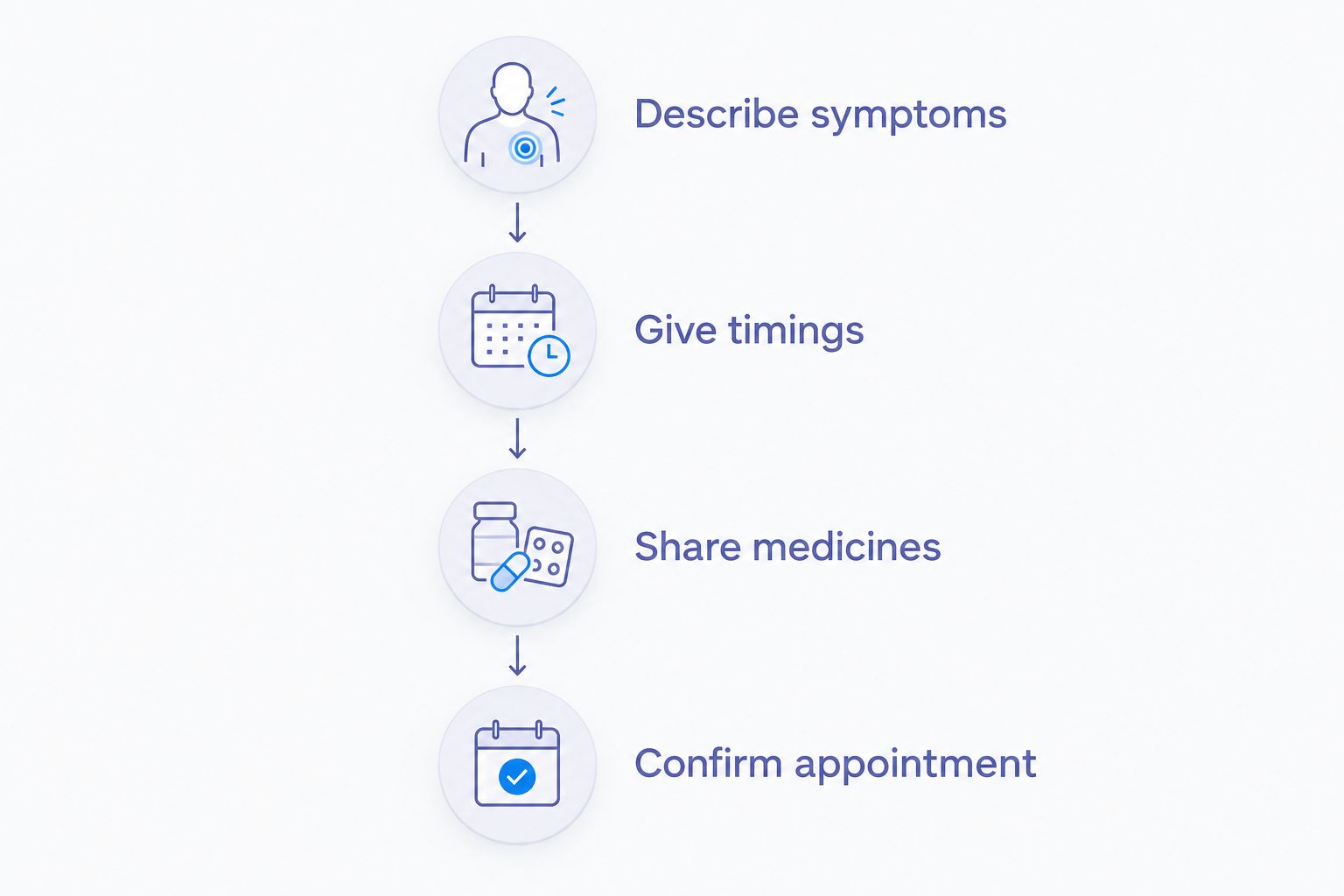
Give the clinic these details:
- Describe symptoms: explain pain, swelling, bleeding or an injury.
- Give timings: say when it started and whether it is getting worse.
- Share medicines: mention prescriptions, allergies and any painkillers already taken.
- Confirm appointment: check the time, location and what to bring.
Tell the team if you are nervous. You can ask the dentist to explain each step before starting and agree a signal for a pause; you do not need to hide your anxiety.
At the visit, the dentist will ask about your symptoms and medical history, examine the problem and explain whether further checks, such as an X-ray, are needed. Treatment options and their costs should be discussed separately before you decide. Check the clinic's pricing information and ask what the proposed care includes.
Arrange your emergency dental visit
Explain your symptoms and confirm an appointment at the Whitechapel clinic before travelling.
How this urgency ranking works
This 2026 guide orders problems by immediate medical danger, time-sensitive tooth injury, infection and then pain or damage. It does not rank conditions by popularity or claim that one treatment suits everyone.
The limitation is straightforward: symptoms overlap. A dentist must assess the cause, and serious warning signs take priority over any position in this list.
Which emergency care should you choose?
Choose immediate hospital help for breathing difficulty or uncontrolled heavy bleeding; choose urgent dental assessment for tooth injury, swelling and severe toothache. For dental care without those hospital warning signs, contact Emergencysmiles about an appointment in Whitechapel.
Do not wait for pain to become unbearable. Explain the symptoms and let the clinical team assess urgency.
FAQ
What’s the most urgent dental emergency?
Swelling that affects breathing or swallowing is a medical emergency: call 999. Heavy bleeding that will not stop also needs immediate hospital assessment.
Can I get a same-day emergency dentist in Whitechapel?
Emergencysmiles offers same-day emergency dental care in Whitechapel. Contact the clinic to explain your symptoms and confirm an appointment before travelling.
Does a knocked-out tooth need attention even if it doesn’t hurt?
Yes, a knocked-out adult tooth needs immediate dental attention regardless of pain. Handle it by the crown, keep it moist and never put a baby tooth back.
Should I wait until morning if my face is swollen?
Seek urgent advice rather than deciding to wait when facial swelling develops. Call 999 if swelling affects breathing or swallowing, and seek urgent hospital assessment for swelling around the eye or serious illness.
Will an emergency dentist finish all my treatment that day?
An emergency appointment does not guarantee completion of every stage of treatment that day. The dentist will assess the problem and explain the immediate care and any follow-up needed.
What happens if I’m frightened of emergency dental treatment?
Tell the clinic that you are anxious when arranging your visit. Ask for explanations before each step and discuss a signal to pause during the examination or treatment.
Does the emergency visit fee include treatment?
The emergency visit fee is separate from treatment costs. Ask the clinic to explain the proposed treatment and its cost before you agree to proceed.
One last thing
A quieter tooth is not always a safer tooth. In 2026, the practical rule remains the same: judge urgency by swelling, bleeding, injury and how unwell you feel, not just the pain score. A dental abscess that starts draining still needs assessment.
Related guides